A tropical plant with culinary, medicinal and niche market potential for small-scale farmers was the star attraction in the second annual Ginger Field Day, hosted by the College of Agriculture and Environmental Sciences and Cooperative Extension at N.C. A&T.
Held Sept. 4 at the University Farm Pavilion, the event drew 50 Extension agents, prospective growers and attendees from across North Carolina and Virginia.
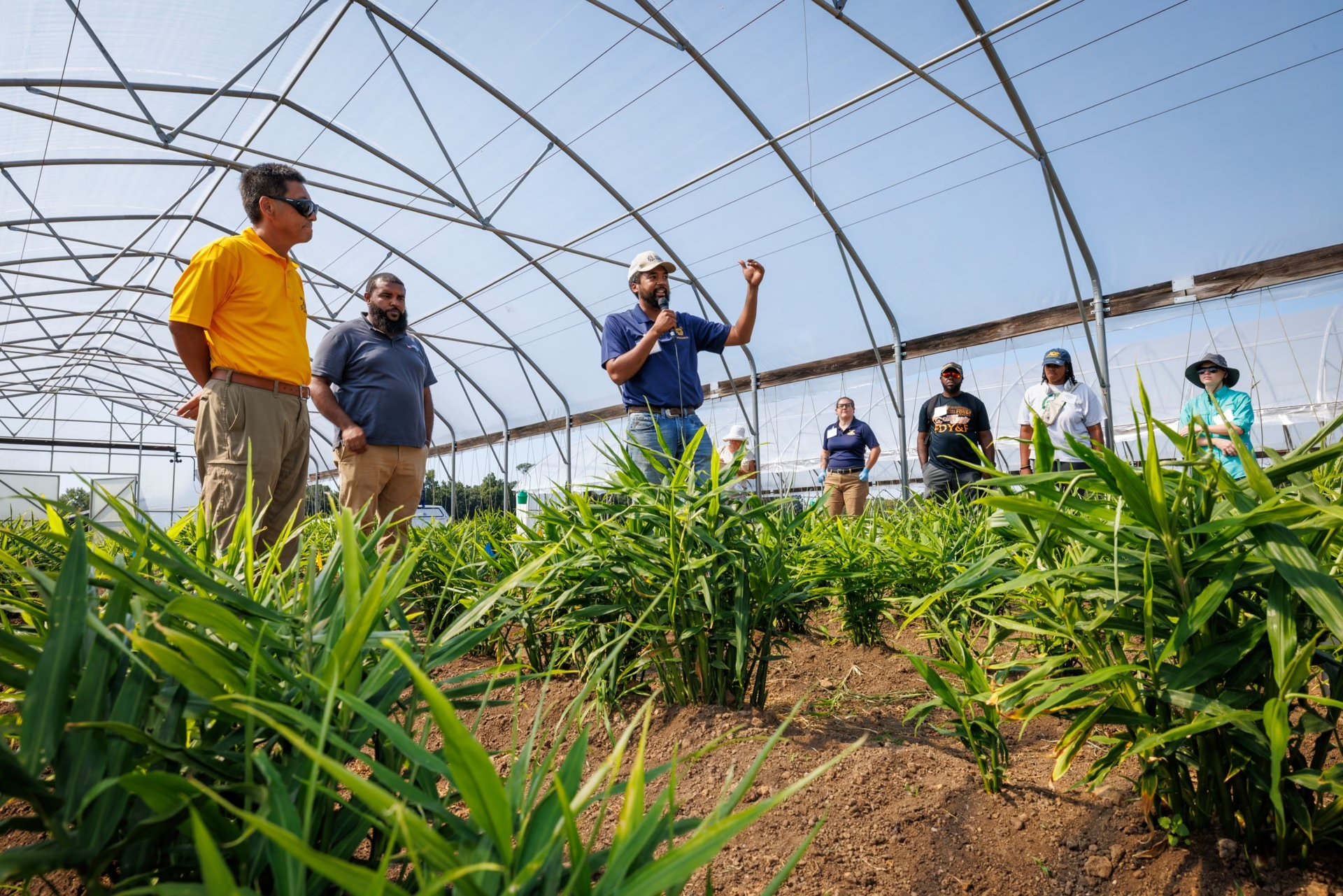
“We started this ginger research about 10 years ago, and it’s been expanding and expanding and expanding,” said Guochen Yang, Ph.D., horticulture professor in the Department of Natural Resources and Environmental Design. “We’ve done this for three reasons: research, education, and stakeholder advantage. We started this with stakeholders in mind to find solutions within an alternative niche cash crop.”
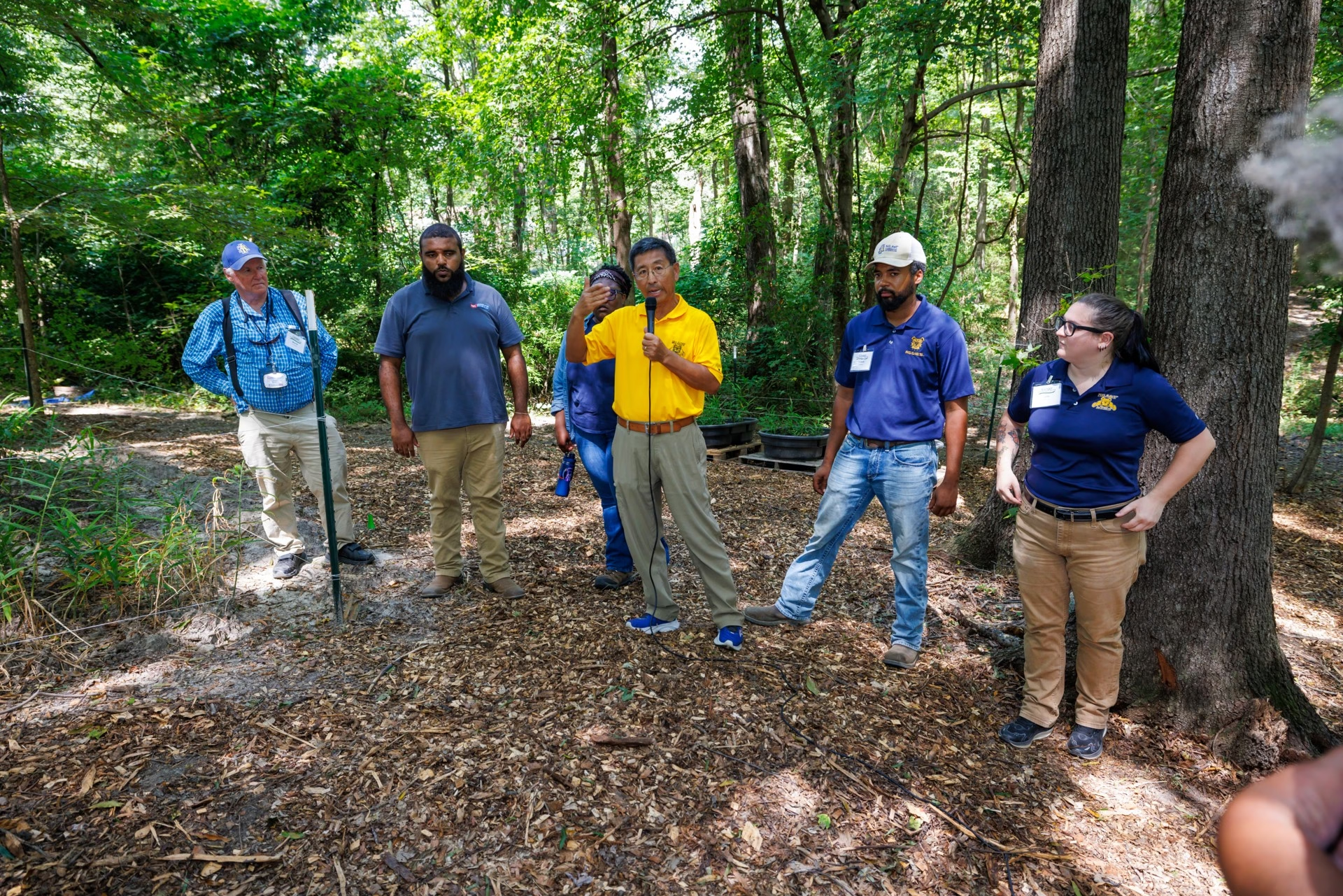
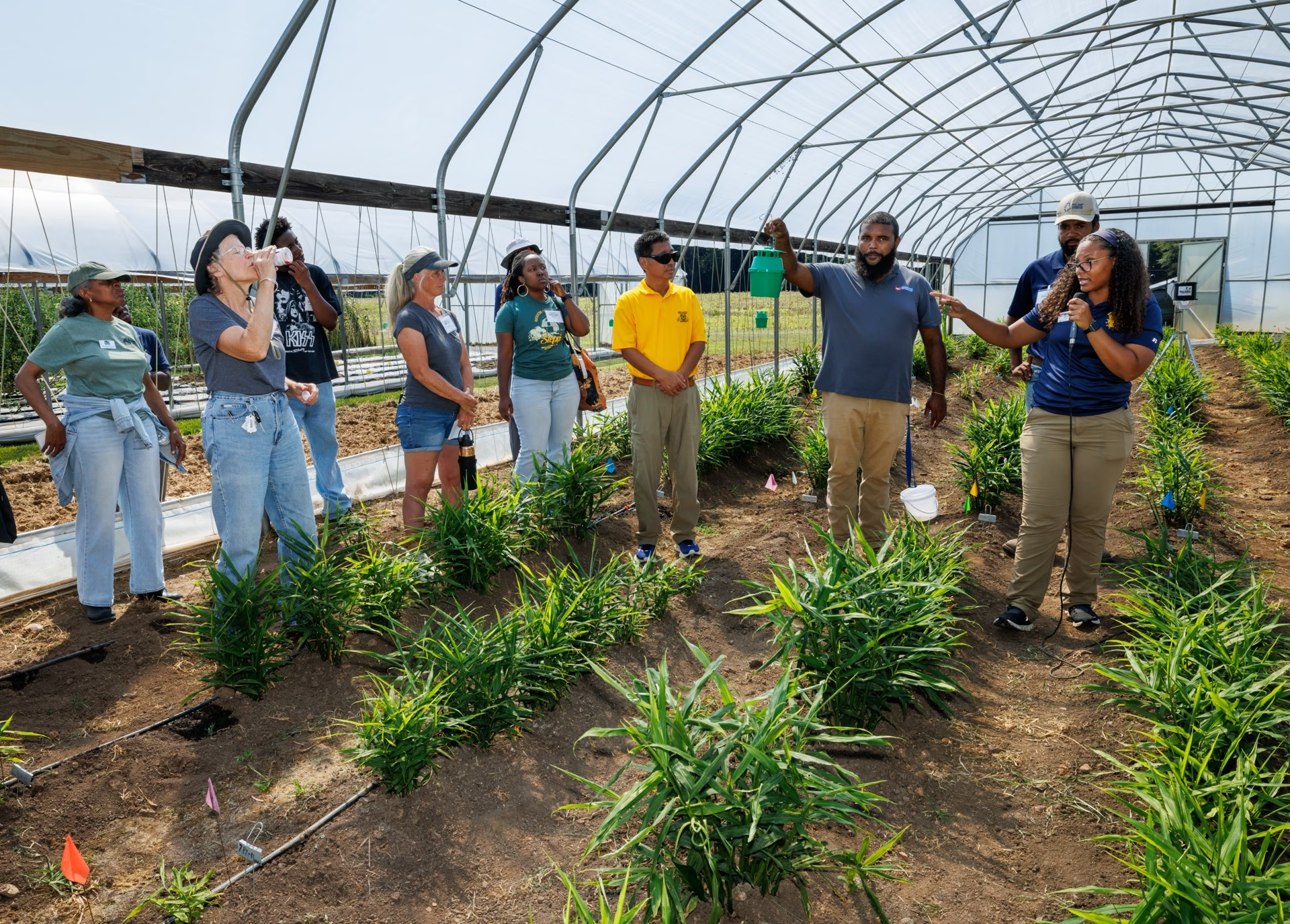
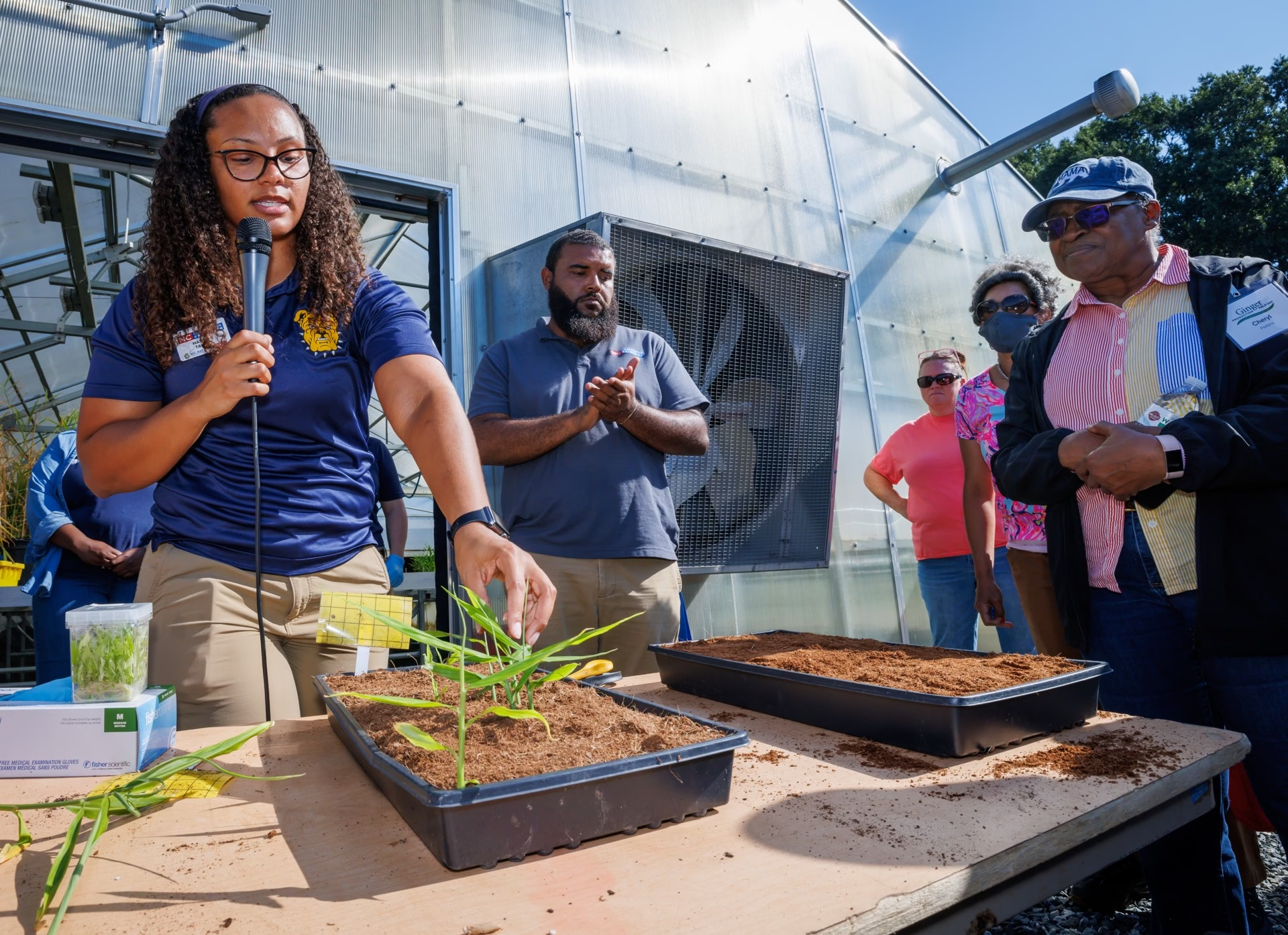
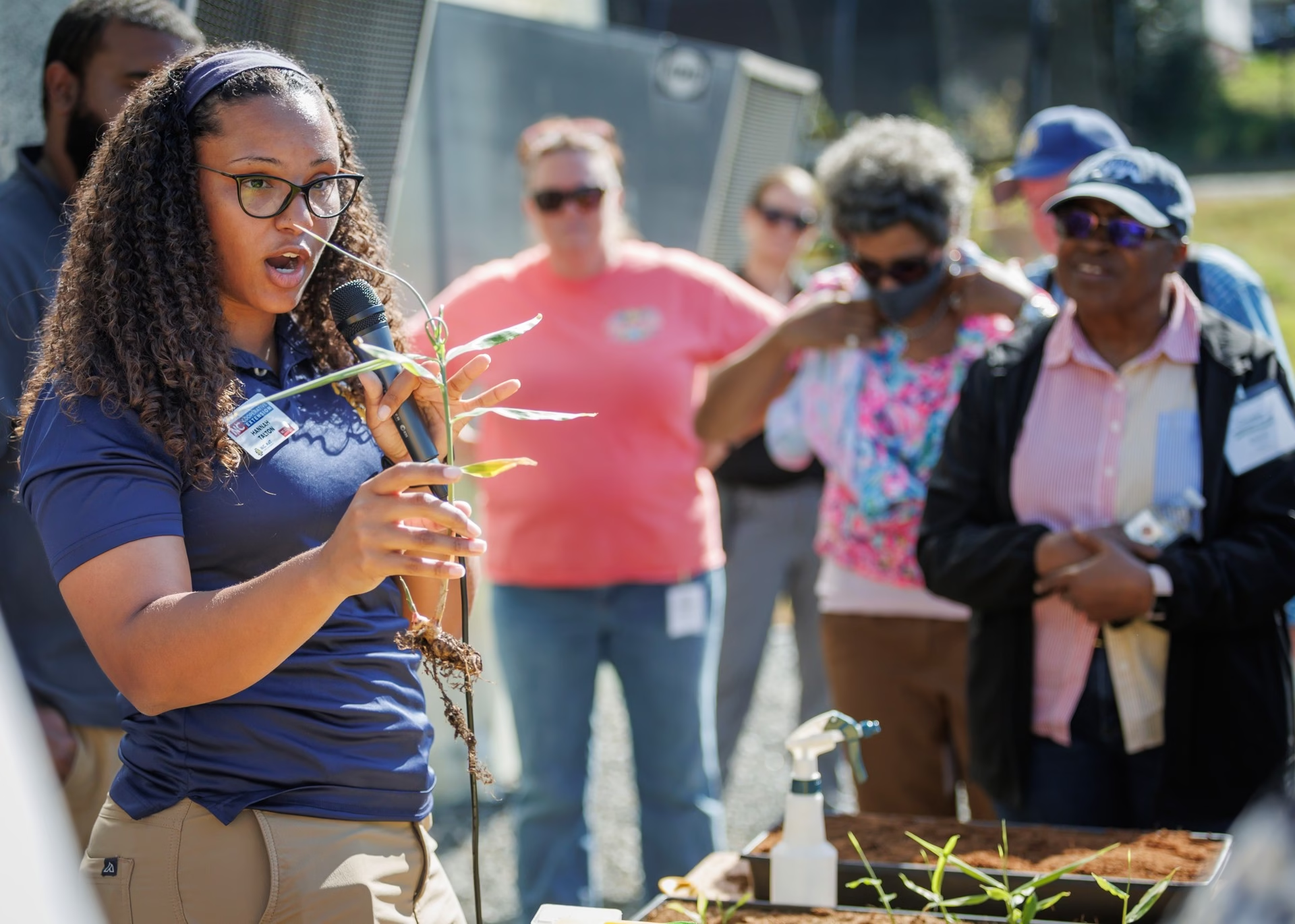
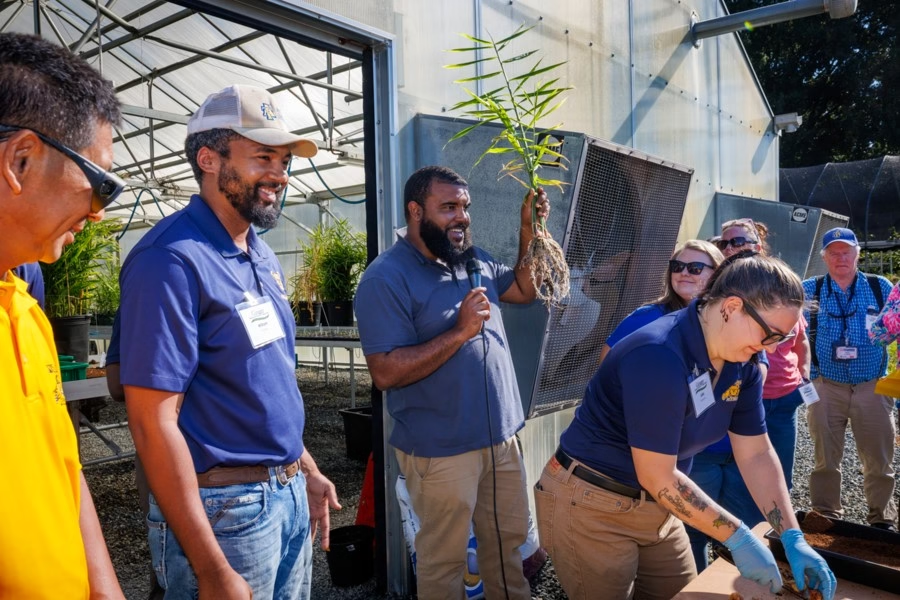
The field day, led by Yang; his research assistants Will Lashley and Julia Robinson; assistant professor and horticulture specialist Trequan McGee, Ph.D.; and assistant professor and extension plant pathology specialist Hannah Talton, D.P.M., provided guests with a detailed glance at the team’s ongoing ginger research in farm’s greenhouses, high tunnels and wooded shade areas.
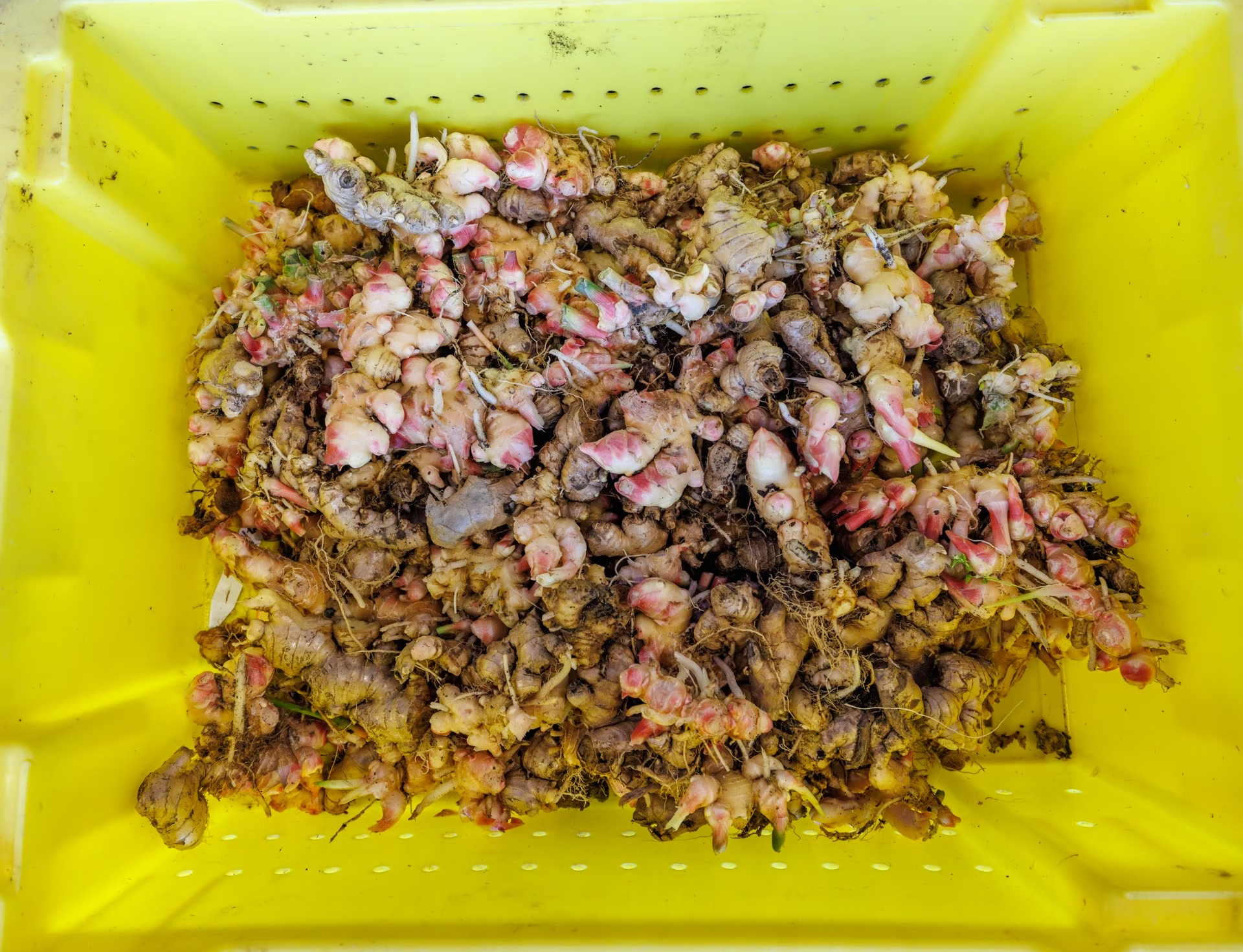
“Ginger is a high-value specialty crop,” said McGee. “Over the last couple of years, we’ve seen prices range from $15/lb. to $30/lb. on the higher end at various farmer’s markets across North Carolina. It can be sold fresh, dried, or turned into various value-added products like syrups, candies, teas, and has many medicinal benefits. It has a lot of different uses that can bring revenue to your farming operations.”
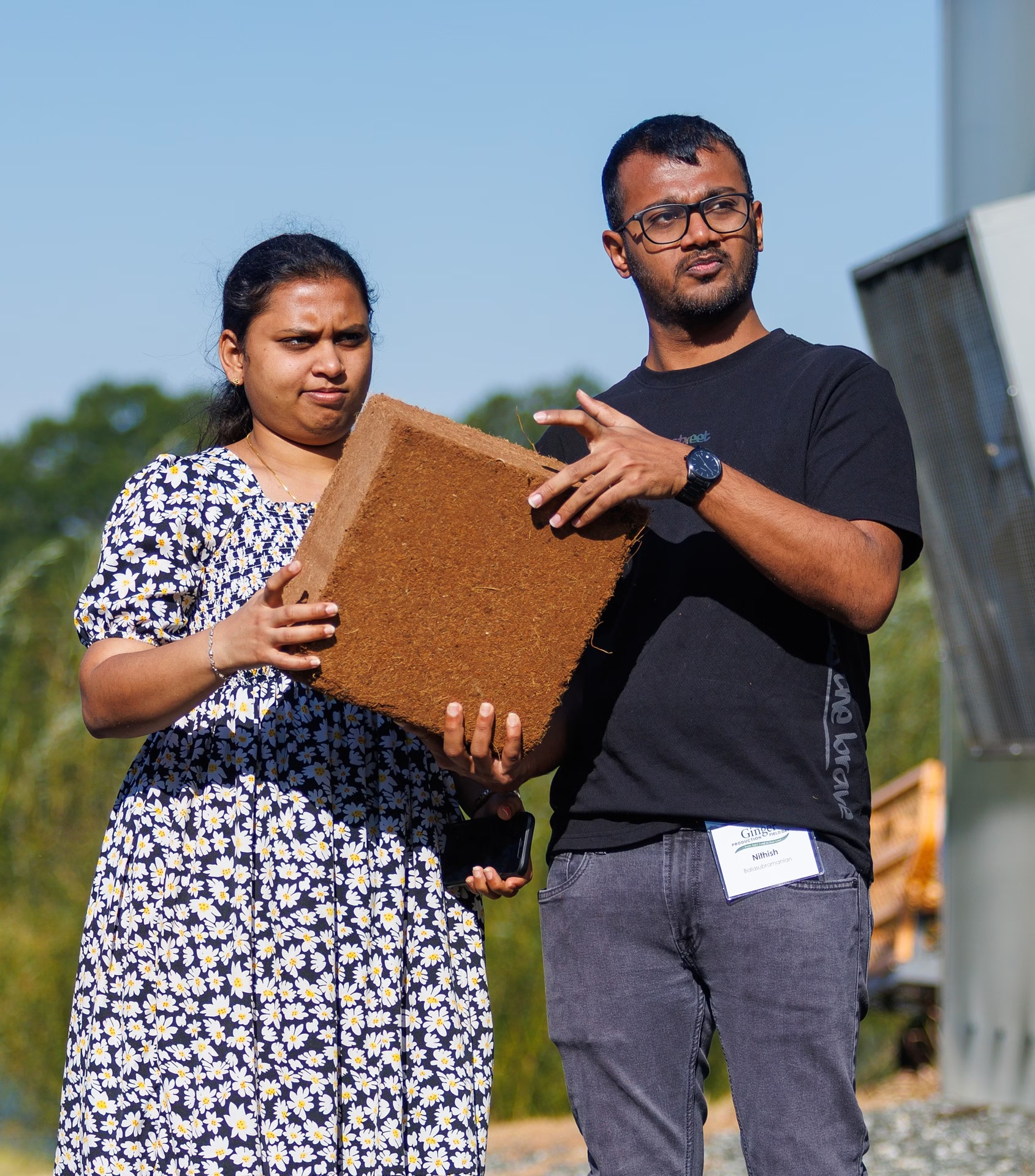
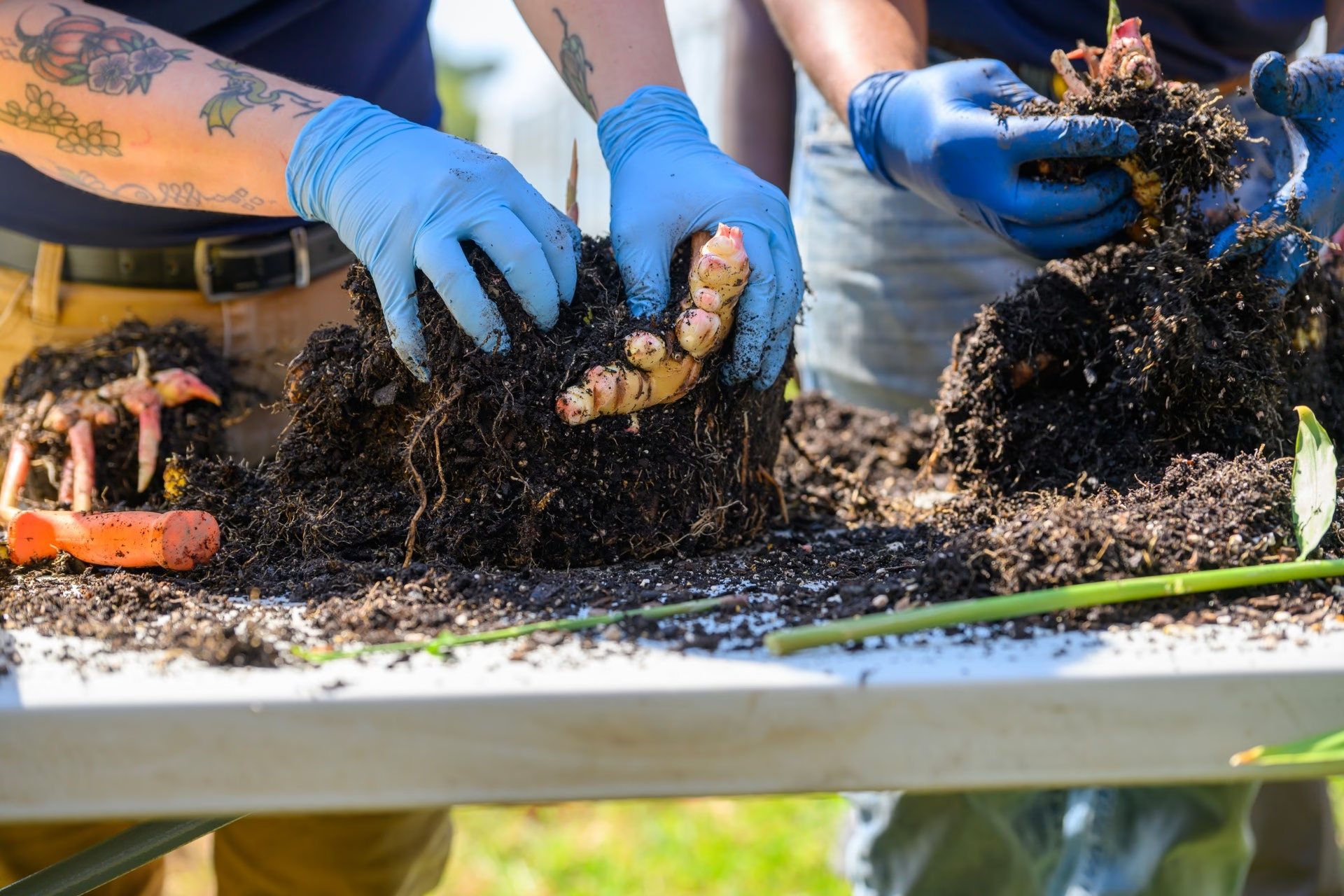
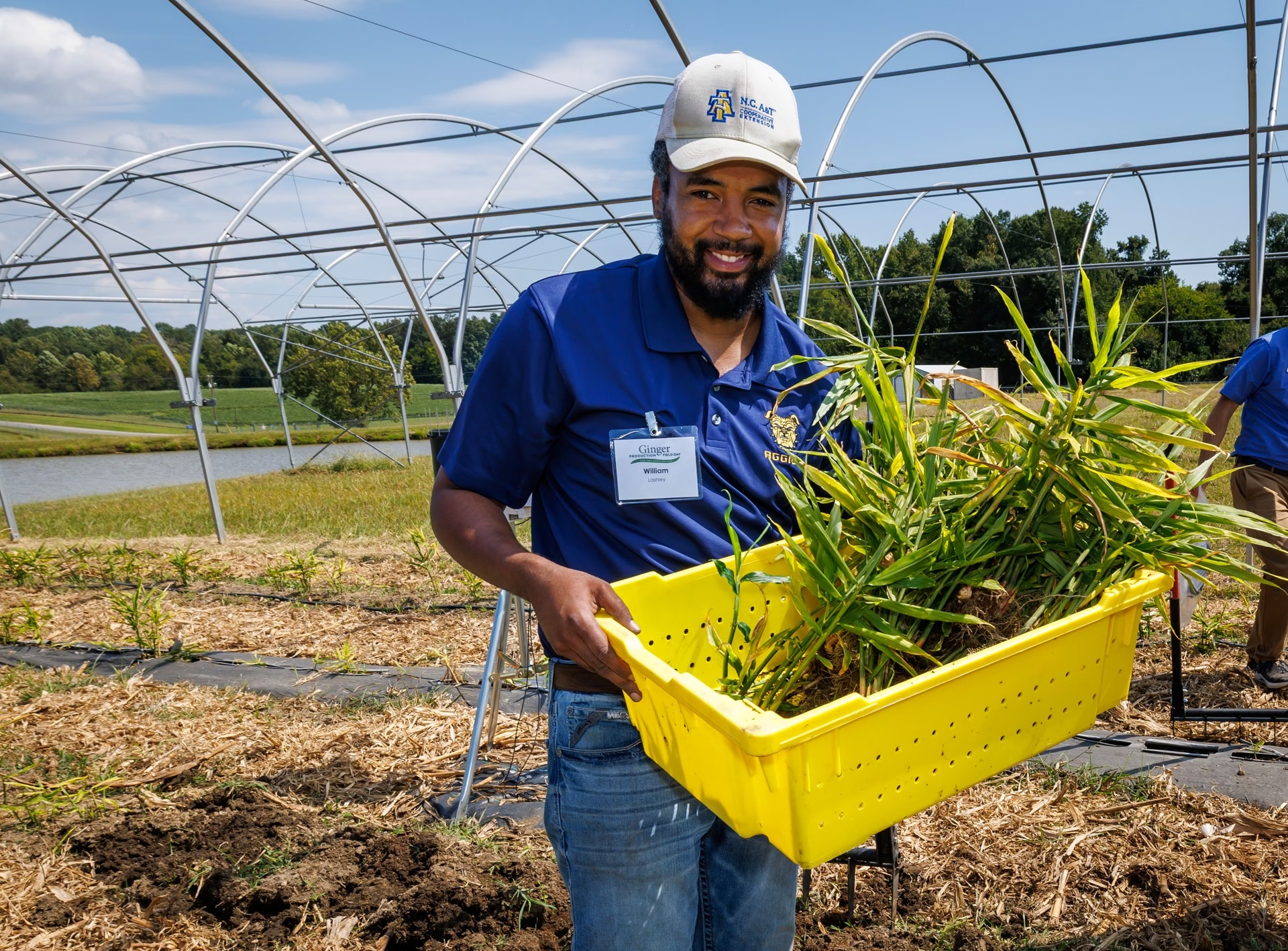
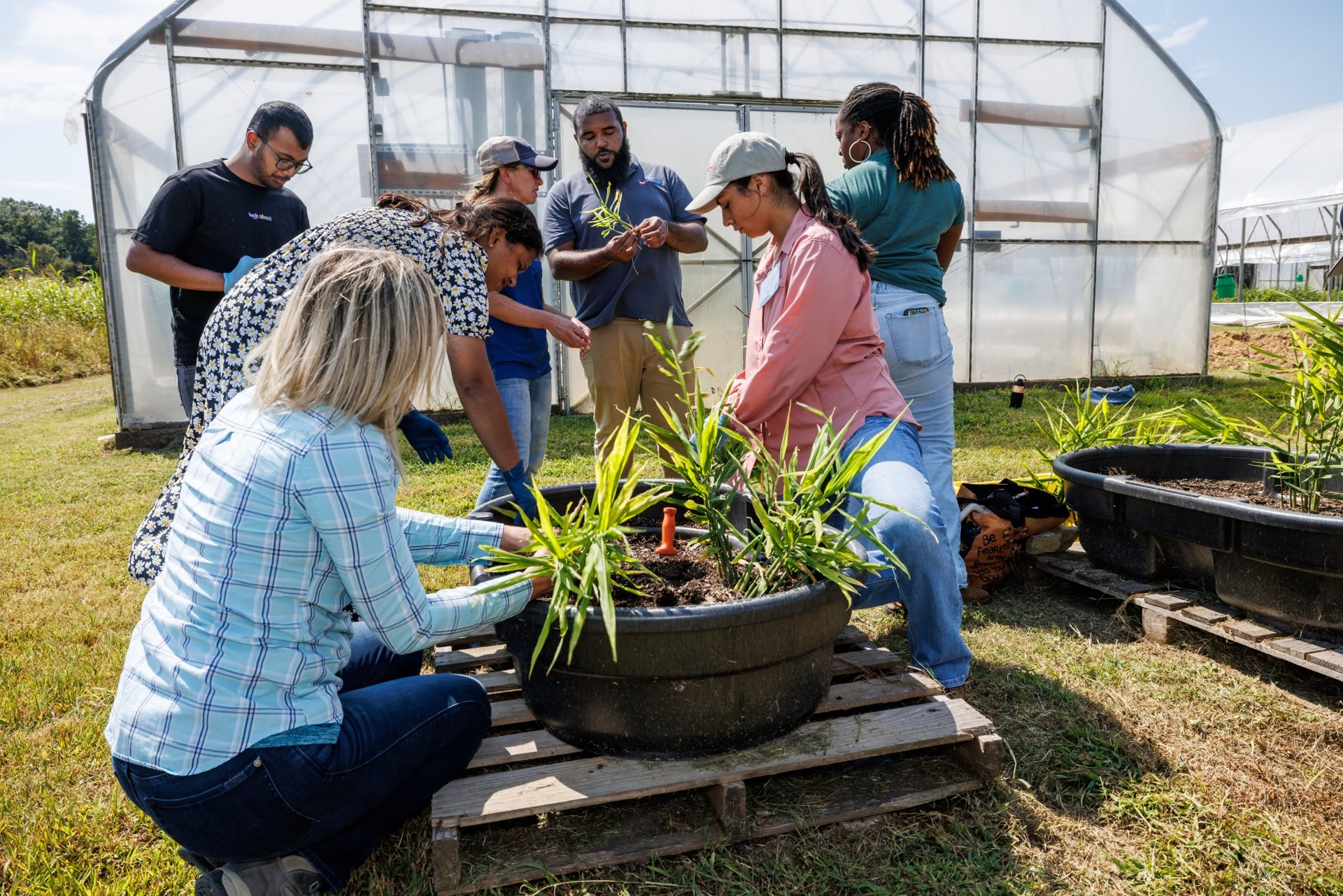
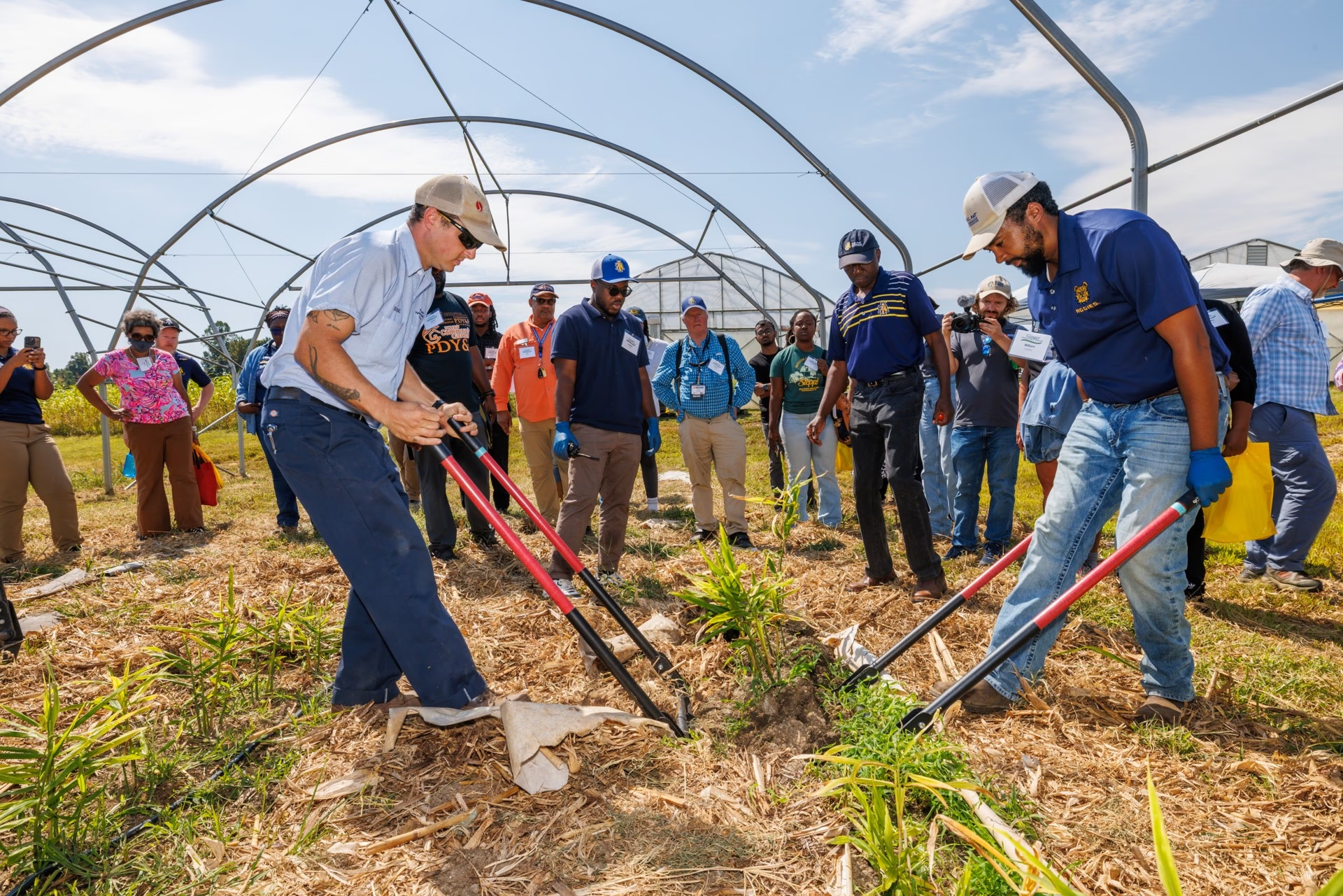
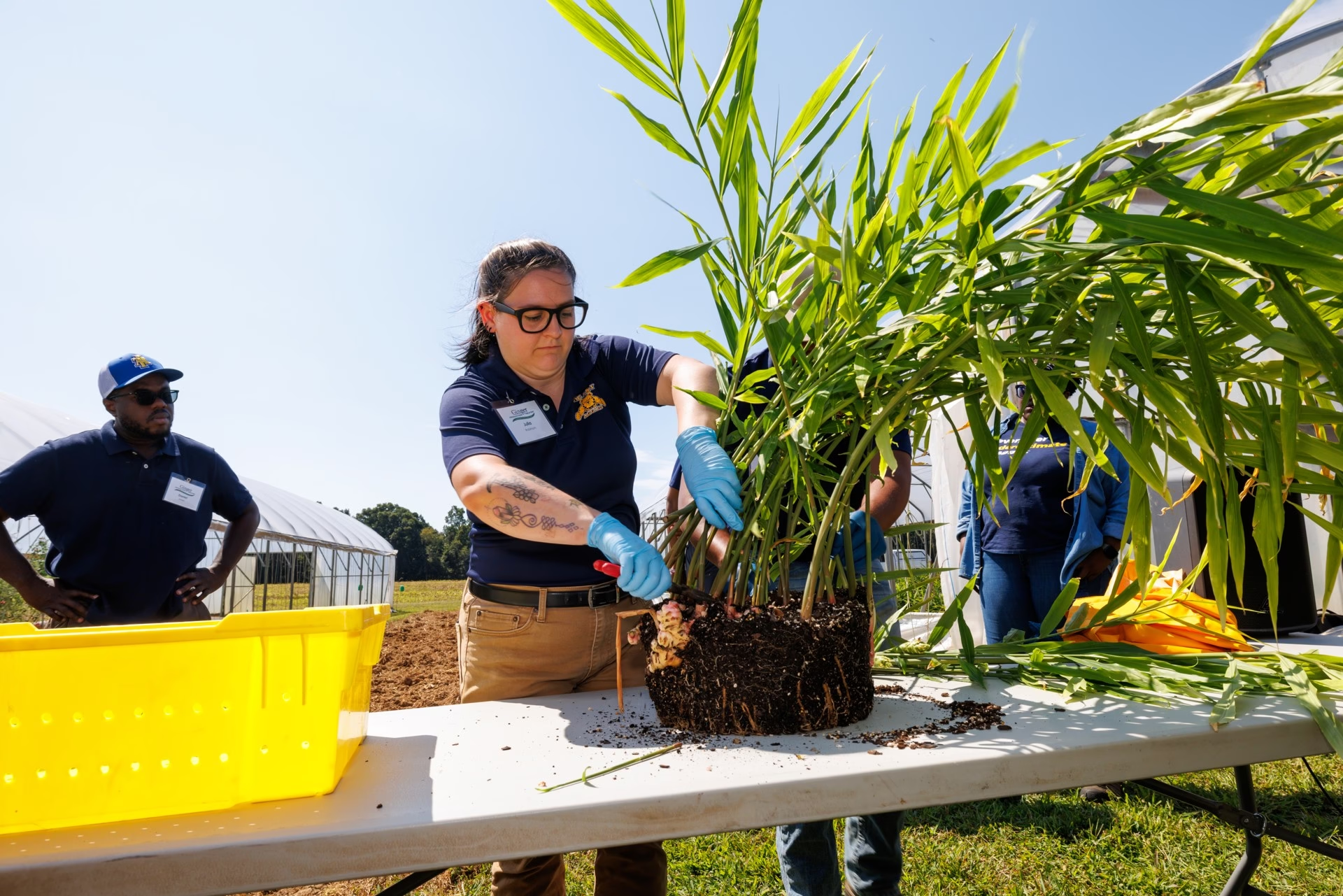
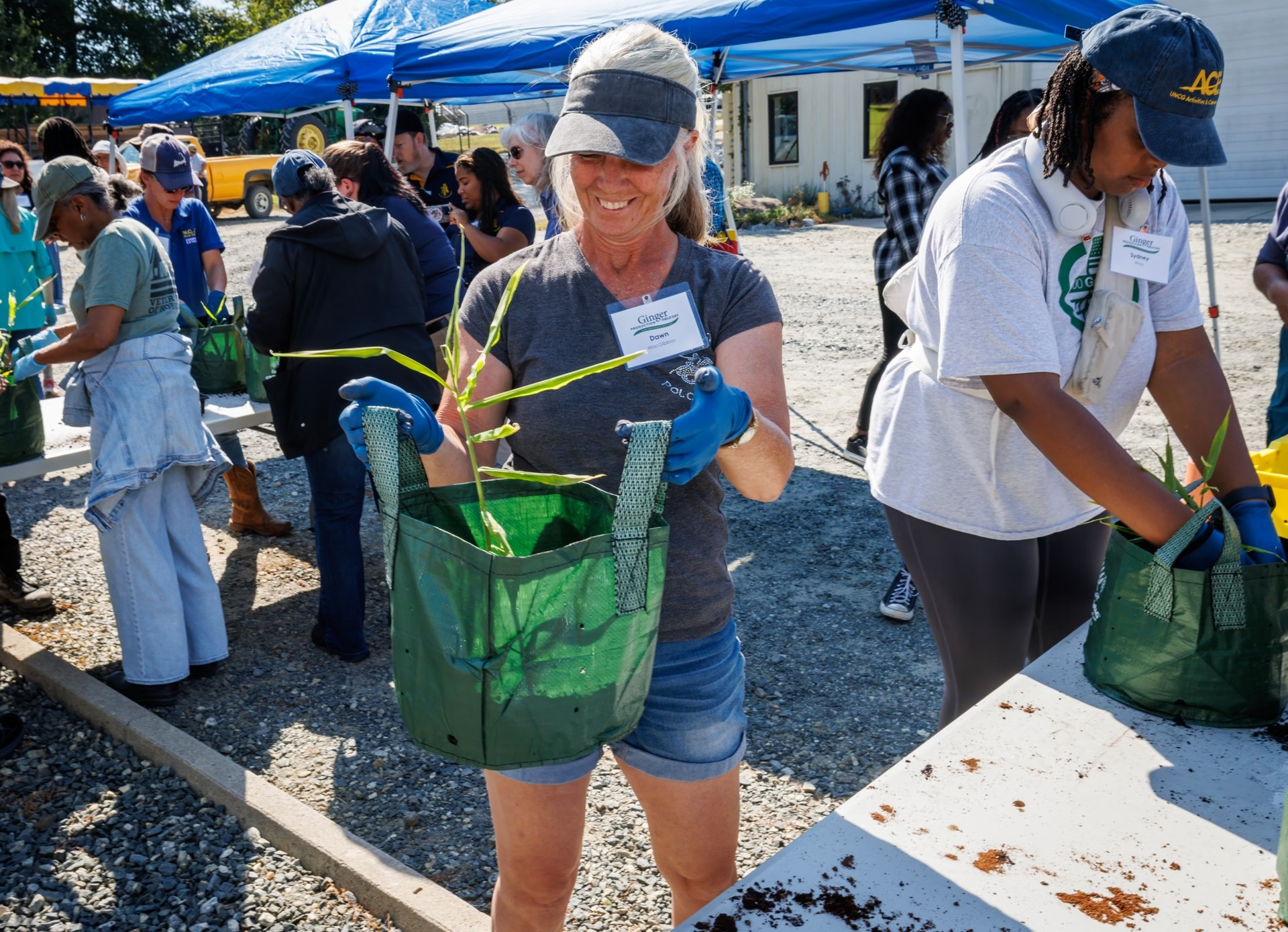
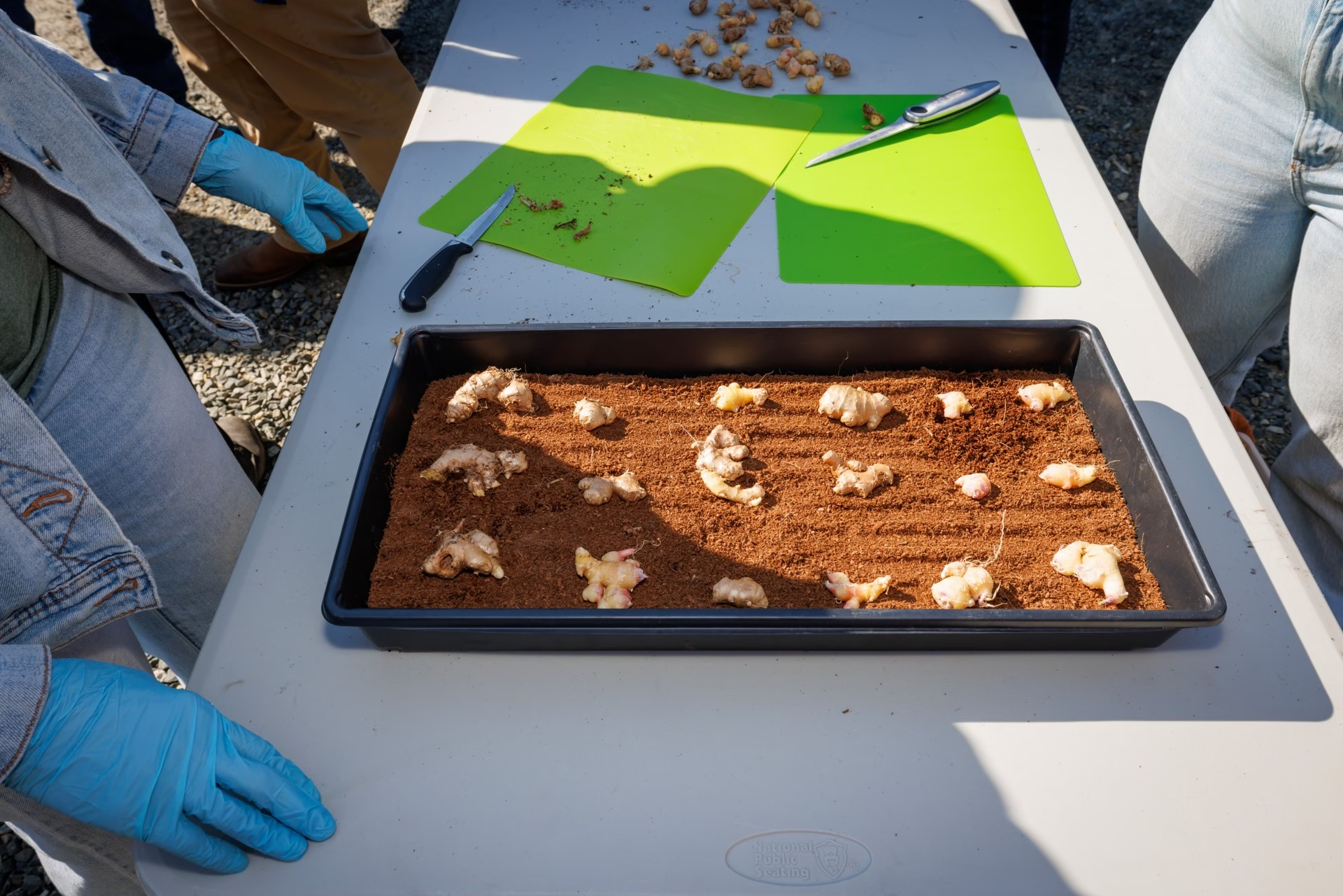
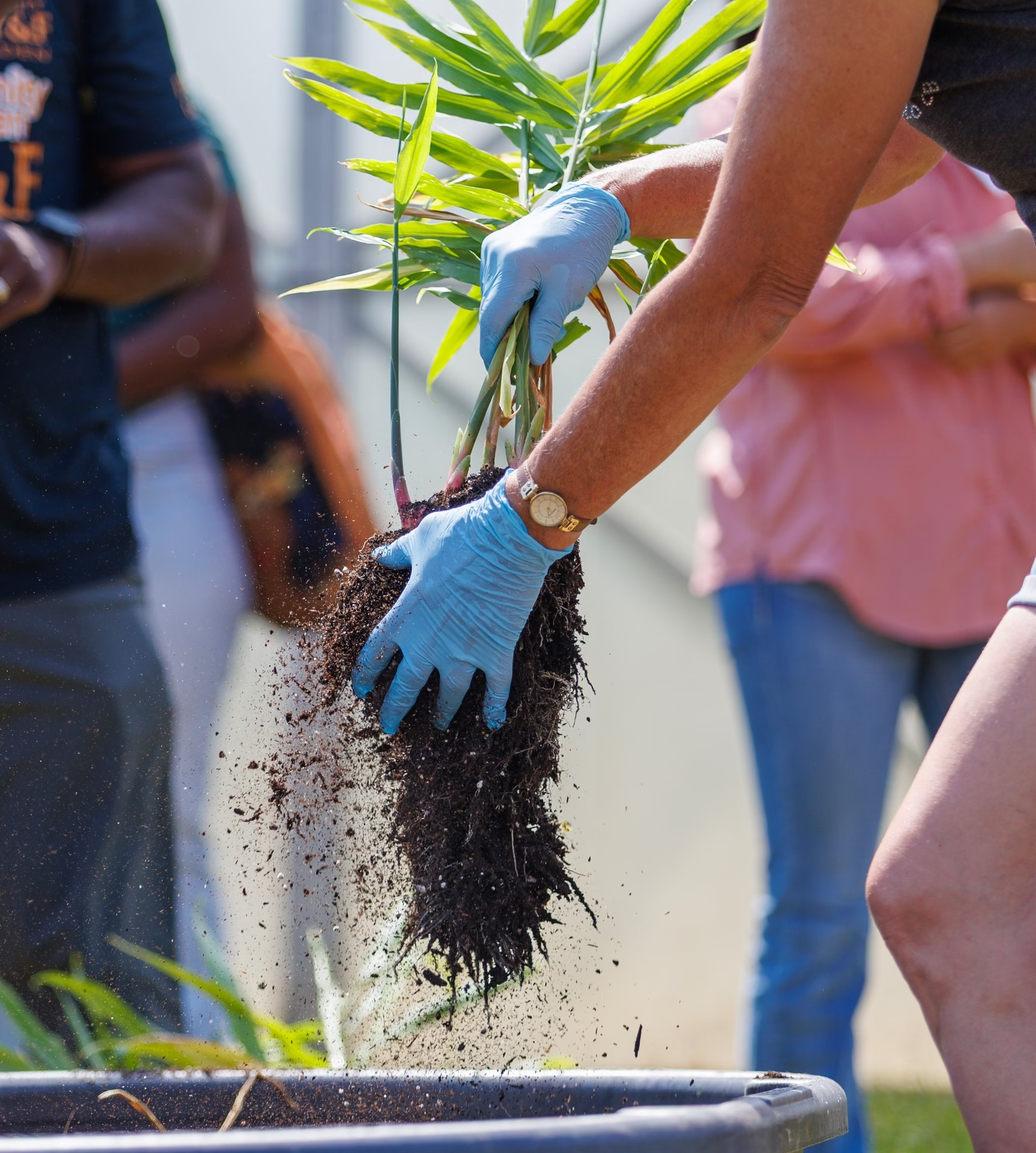
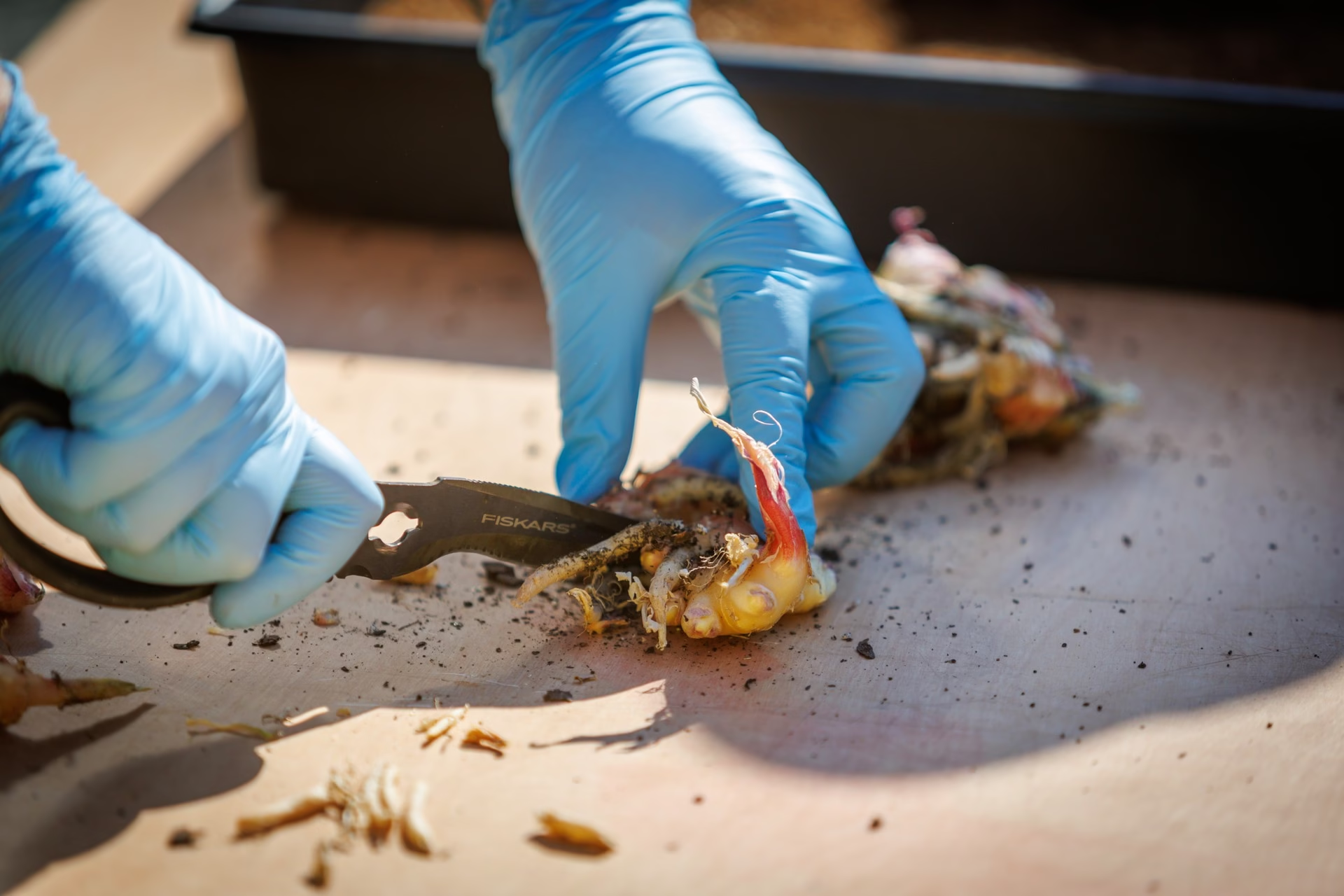
Participants had the opportunity to not only listen to the ginger field experts, but take part in hands-on demonstrations as well, from cutting seed ginger nodes and sowing in coconut coir to harvesting full ginger plants by hand and with broadforks.
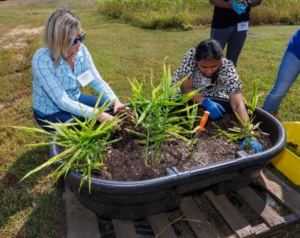
Extension assistant - UPRS Heather Berger, left, and Dharani Murugeson practice harvest technique at Ginger Production Field Day at the North Carolina Agricultural and Technical State University Farm.
Guests like James Gardner, a Greensboro farmer who operates the Positive Direction for Youth & Families Community Garden, said he had experimented with ginger growing in the past and wanted to learn more for his own unique purpose.
“What I really wanted to learn was how ginger likes to grow so that I can take those principles and apply it to aquaponics, which is what I’m really looking to ramp up on my farm,” said Gardner. “Understanding ginger’s ideal lighting climates tells me what I need to do to get the area ready before I begin to grow.”
Between instructional sections, Talton offered pest management practices to assist the guests with their ginger-growing interests, including scouting crops for insects, weeds, and problematic areas.
“When you’re in the field, and you’ve got the walls down in the high tunnel, things can float in and out: good guys (pests), bad guys, everything in between,” said Talton. “Ginger is so new that we are working on trying to survey what is actually going to attack ginger in the state of North Carolina.”